
Across many manufacturing facilities, one role remains surprisingly difficult to fill: palletizing.
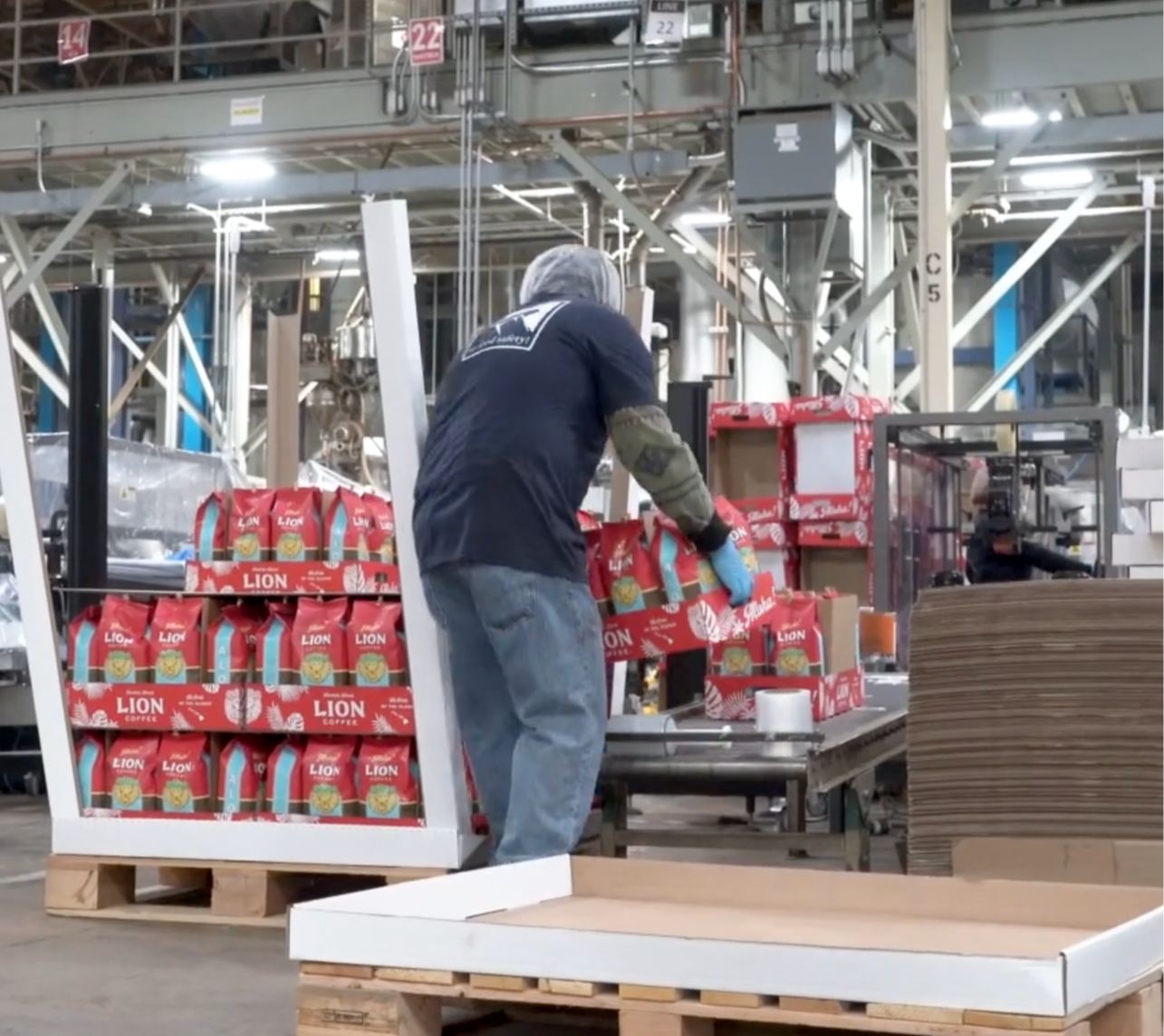
While production lines have become increasingly automated, the final step—stacking boxes onto pallets—often still relies on manual labor. Workers lift, turn, and stack products continuously to prepare shipments for transport.
On the surface, palletizing may seem like a straightforward task. In reality, it is one of the most physically demanding and difficult positions to staff in a manufacturing environment.
The physical demands of the job
Manual palletizing requires repetitive lifting throughout an entire shift.
Workers may handle hundreds or even thousands of boxes per day, depending on production volume. Each movement often involves bending, twisting, and lifting—motions that can put strain on the back, shoulders, and joints.
Even in well-managed environments with proper training, the repetitive nature of the work can lead to fatigue and discomfort over time.
For many workers, this makes palletizing one of the least desirable roles on the production floor.
High turnover is common
Because the job is physically demanding, many facilities experience frequent turnover in palletizing roles.
Workers may move to less strenuous positions when opportunities become available. Others may leave the role entirely after experiencing fatigue or strain.
This creates an ongoing challenge for manufacturers:
- Constant recruitment efforts
- Training new employees
- Operational disruptions during staffing gaps
Even short periods without sufficient palletizing staff can slow down the entire production process.
Staffing shortages create production risk
When palletizing positions remain unfilled, production lines can quickly become vulnerable.
If boxes cannot be palletized fast enough, products may accumulate at the end of the line. Operators may need to temporarily stop production, divert workers from other tasks, or ask employees to work overtime to catch up.
These adjustments can introduce inefficiencies and add stress to the workforce.
What begins as a staffing challenge can quickly become a production bottleneck.
The changing manufacturing workforce
Labor shortages across manufacturing have made it even harder to staff physically demanding roles.
Many workers today are looking for positions that are safer, less repetitive, and more engaging. Jobs that involve continuous lifting are increasingly difficult to fill, especially when other opportunities are available.
As a result, manufacturers are exploring ways to reduce the physical burden of certain tasks while making production roles more sustainable.
Automation as a practical solution
This is one reason palletizing is often among the first processes manufacturers choose to automate.
Robotiq Lean Palletizing can take on repetitive lifting tasks while operators focus on monitoring production, managing materials, or handling more skilled responsibilities.
Rather than replacing workers, automation can help shift employees away from physically demanding roles and into positions that support overall operations.
Making end-of-line operations more sustainable
Staffing challenges in palletizing are unlikely to disappear in the near future.
However, manufacturers have new options for addressing the problem. By introducing automation at the end of the line, companies can stabilize production, reduce physical strain on workers, and create a more resilient operation.
For many facilities, automating palletizing is not just about improving efficiency—it’s about making the work environment more sustainable for the people who keep production running.
A practical first step toward automation
Not every line has the same requirements. Payload, cycle time, SKU mix, and available space all matter.
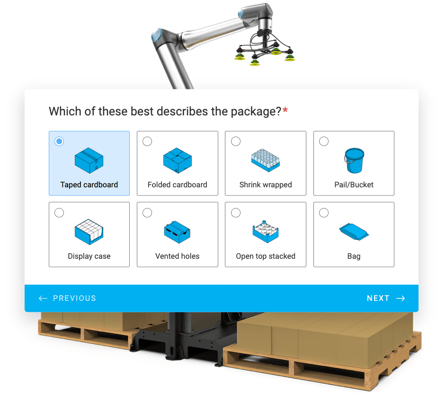
Use Robotiq’s Palletizing Fit Tool to quickly assess whether cobot palletizing makes sense for your operation and what a realistic deployment could look like for your facility.


The post “Why palletizing is still one of the hardest jobs to staff” by Linnea Bruce was published on 03/10/2026 by blog.robotiq.com